
Enough with Misunderstood Villains
Normalize accountability

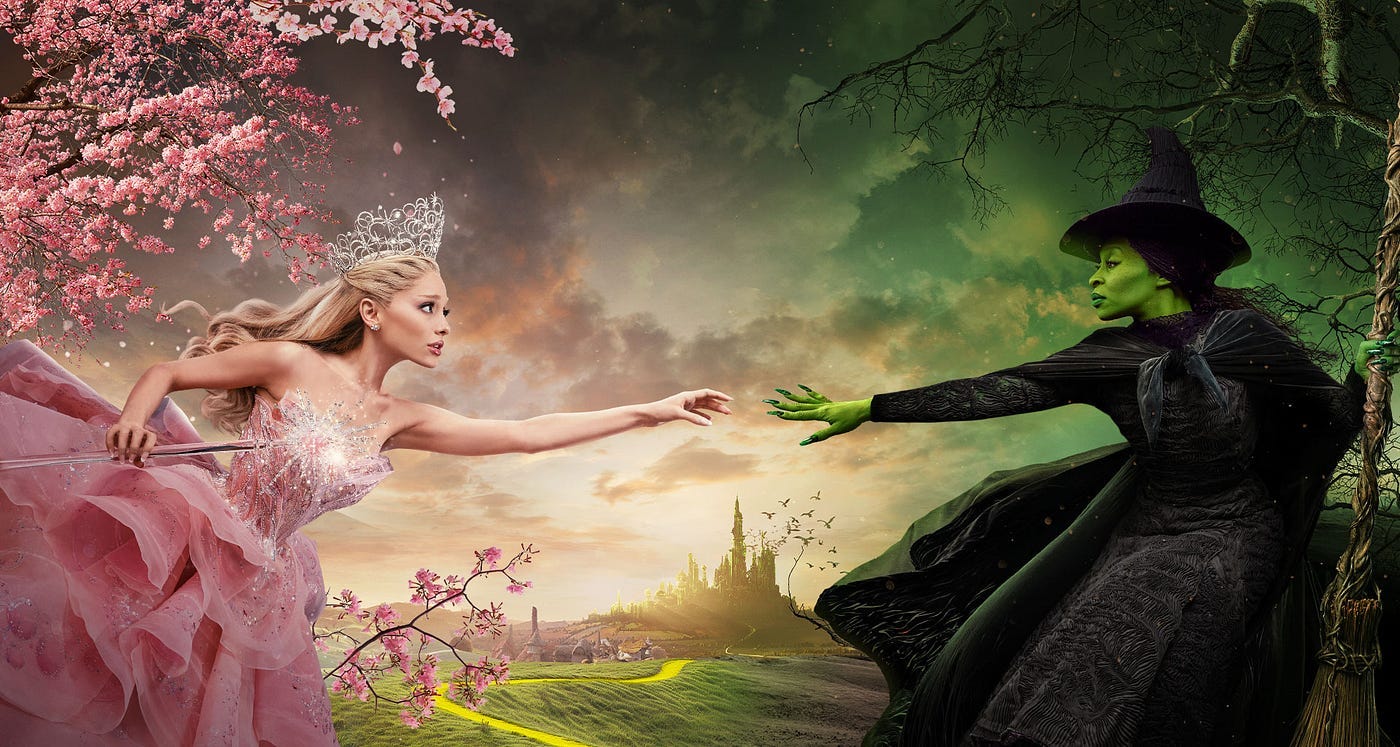
It all started with Wicked. Or at least, that book—and later the wildly popular musical—ignited the modern obsession with the “misunderstood villain.” Wicked reimagined the infamous Wicked Witch of the West as a misunderstood, unfairly demonized victim of society. Elphaba, the witch’s true name in this continuity, is ostracized for her green skin and ultimately pushed toward villainy through activism—specifically, her role as a champion for the oppressed Animal class. That’s Animal with a capital “A,” referring to sentient creatures like the Cowardly Lion and her legion of flying monkeys.
Elphaba’s cause places her in direct opposition to the Wizard, who responds by setting Dorothy against her. And just like the original story, Wicked still ends with the witch dead and the public celebrating the demise of a supposedly monstrous figure. The difference is context. That reinterpretation—carefully constructed and thoughtfully executed—sparked a wave of far less skilled imitators. Unfortunately, it also unleashed an army of shallow copycats who mistook inversion for depth.
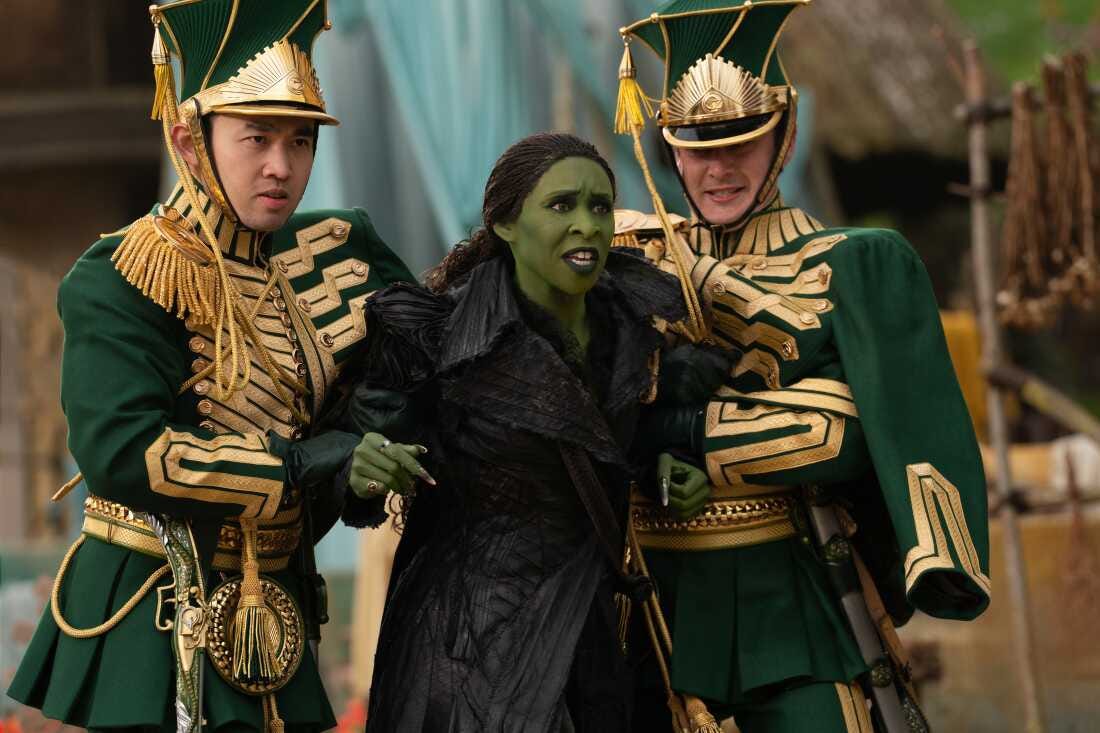
I was genuinely excited when Maleficent was announced. Even in the original animated film, the three fairies imply that Maleficent is deeply unhappy. That alone suggested fertile ground for tragedy. Exploring the events that forged her into the Mistress of All Evil felt like a natural, even necessary, expansion of the character. At the time, I hadn’t yet realized just how hollow Disney’s modern storytelling instincts had become.
What I expected was a tragic descent—a slow corruption, a bitter transformation. What we got instead was shameless girl-power slop.
King Stefan is reframed as a heartless monster who mutilates Maleficent by cutting off her wings. Maleficent secretly raises Aurora because the three fairies are such incompetent buffoons that the child would have died without her. The Prince is rendered narratively useless, stripped of the power to break the spell. Instead, Maleficent’s kiss awakens Aurora. Even literal fanfiction has more shame than this.
Rather than offering a deeper look at an iconic villain, the film simply rewrites the story wholesale. Maleficent is no longer evil—just a victim. She gets to play evil without ever being tainted by actual wrongdoing, while the supposed heroes are revealed to be either corrupt or laughably stupid.
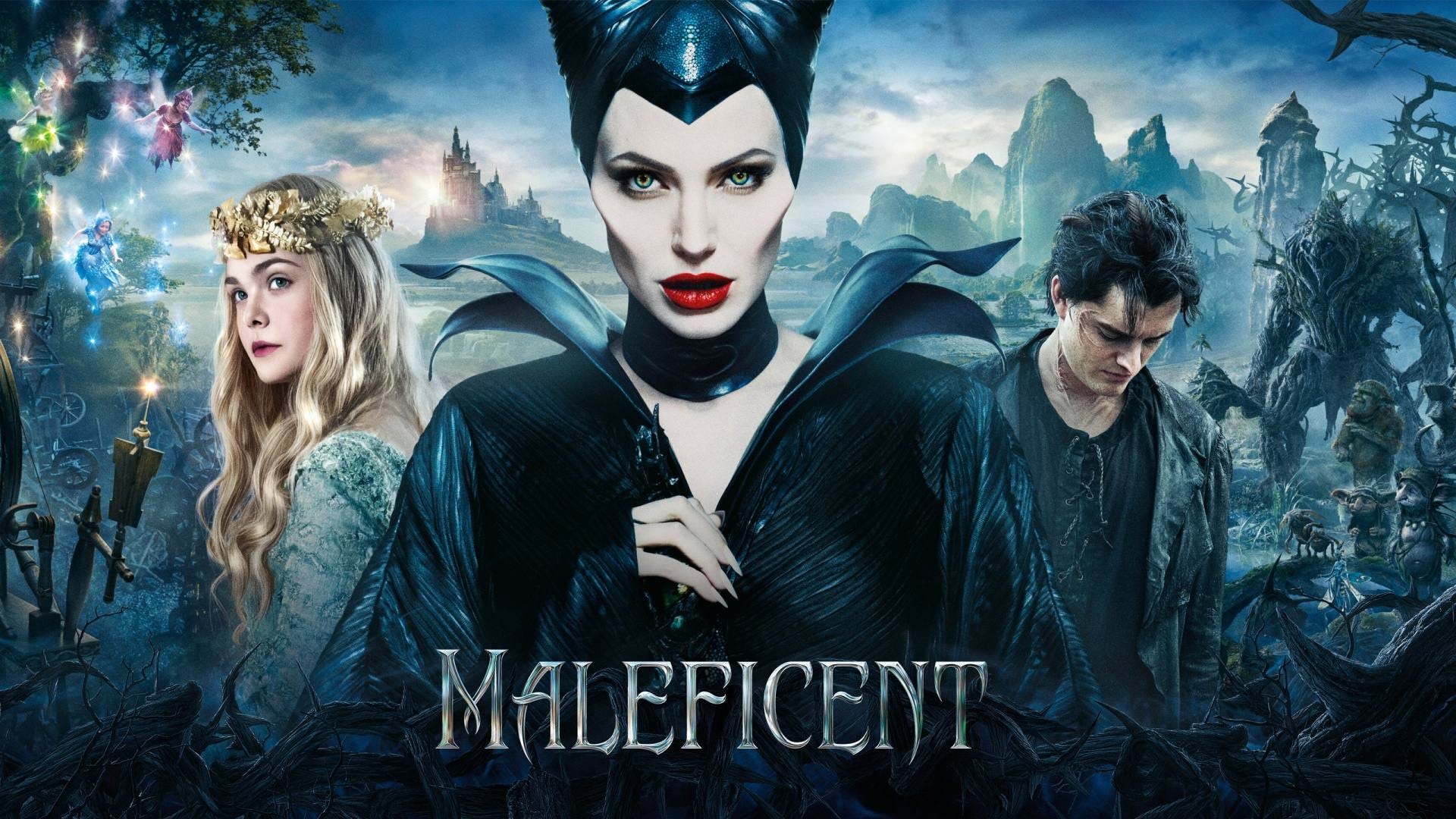
The television series Once Upon a Time is often accused of doing something similar. Similar—but not the same. Regina, the Evil Queen, became a fan favorite and eventually rivaled the heroes in popularity, but she worked for one crucial reason: she was never misunderstood.
Regina committed a litany of horrific crimes, and the narrative never lets her forget it. She’s punished time and time again. Yes, she had an abusive mother who murdered her one true love to secure a political marriage to Snow White’s father, the King. Regina’s choice to embrace evil was ultimately her own. From the very first episodes, she is ruthless, cunning, and unapologetically cruel. Her redemption doesn’t come from some secret revelation, but consequence.
That distinction matters.
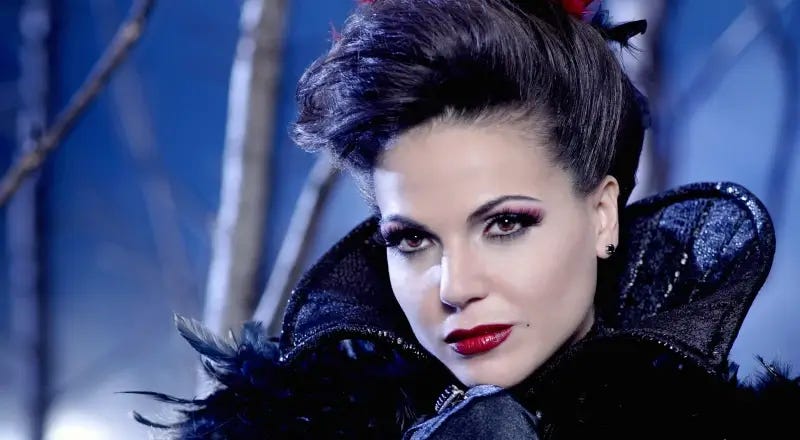
“Misunderstood” absolves a villain of villainy. It argues they were never evil at all—merely branded so by an unjust society. That’s why so many modern writers gravitate toward the label. It allows their stand-in characters to commit cruel, selfish, even monstrous acts while insisting they had good reasons. Society is the villain. History is written by the victors.
Once Upon a Time did it right because Regina was sympathetic without being sanitized. She knowingly committed murder, torture, and betrayal. She even killed her own father to cast the Dark Curse. And yet, from early on, we see fractures in her darkness: her lost love, her devotion to her father, her genuine affection for her son, Henry. Over time, those qualities grow stronger. She makes real sacrifices. She chooses good again and again until she earns her redemption through action, not retcon.
That’s why the modern “misunderstood villain” feels so lazy. It’s an easy way to borrow the gravitas of darkness while dodging the discomfort of moral accountability.
Regina was evil. She faced her demons, paid for her sins repeatedly, and clawed her way towards redemption. The modern misunderstood villain, by contrast, is just a sob story without responsibility. A truly sympathetic villain may have a tragic past, but they also have agency, guilt, and the capacity for change. Most importantly, they have accountability.
And until storytellers relearn that lesson, this trend of turning villains into innocent victims desperately needs to die.